Ontdek meer over onze schilderijen
Ontdek meer over onze schilderijen
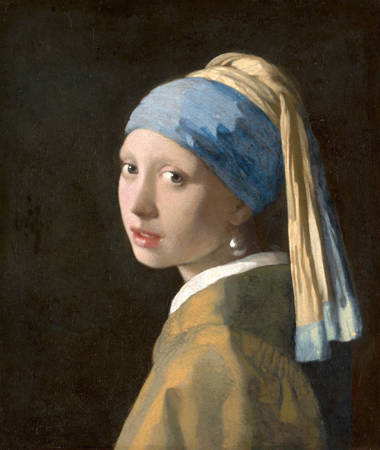
Meisje met de parel
Johannes Vermeer
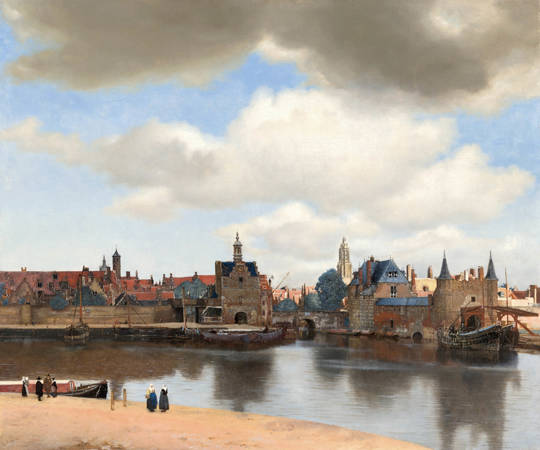
Gezicht op Delft
Johannes Vermeer
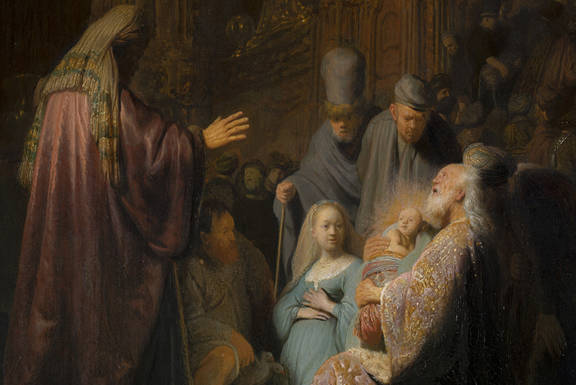
Het loflied van Simeon
Rembrandt van Rijn
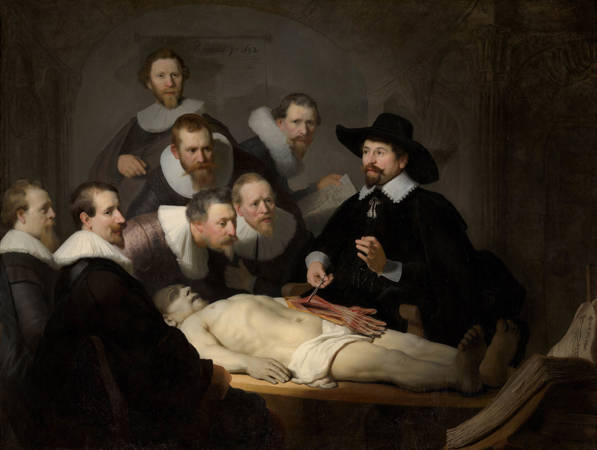
De anatomische les van Dr Nicolaes Tulp
Rembrandt van Rijn
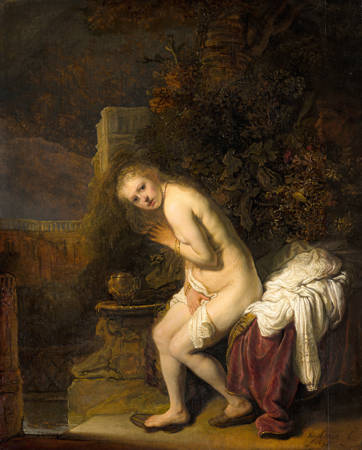
Suzanna
Rembrandt van Rijn
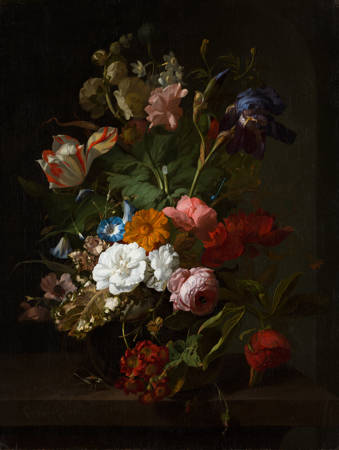
Vaas met bloemen
Rachel Ruysch
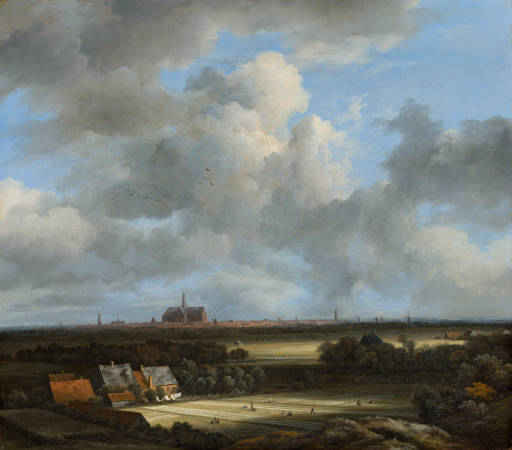
Gezicht op Haarlem met bleekvelden
Jacob van Ruisdael
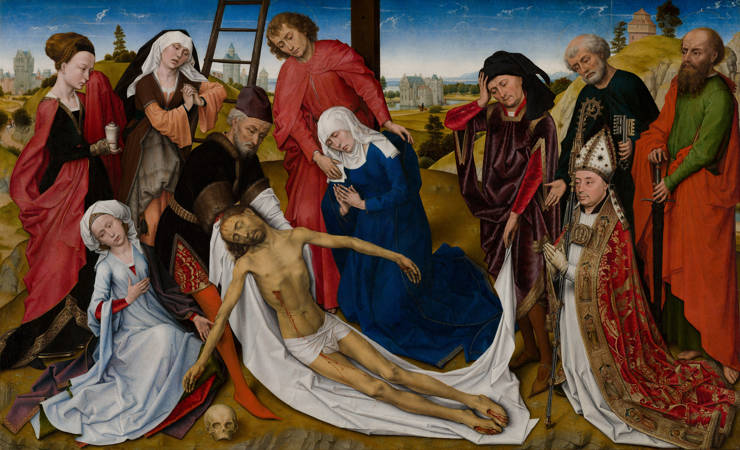
De bewening van Christus
Rogier van der Weyden (en atelier)
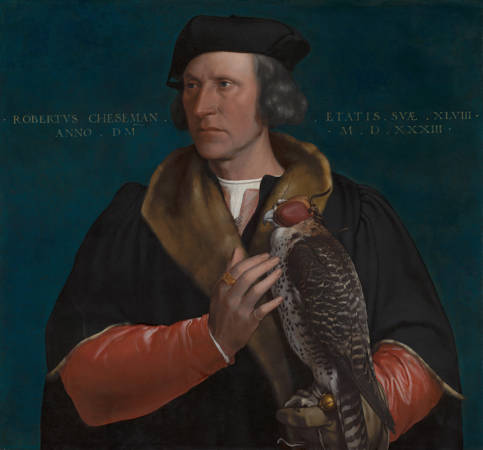
Portret van Robert Cheseman (1485-1547)
Hans Holbein de Jonge
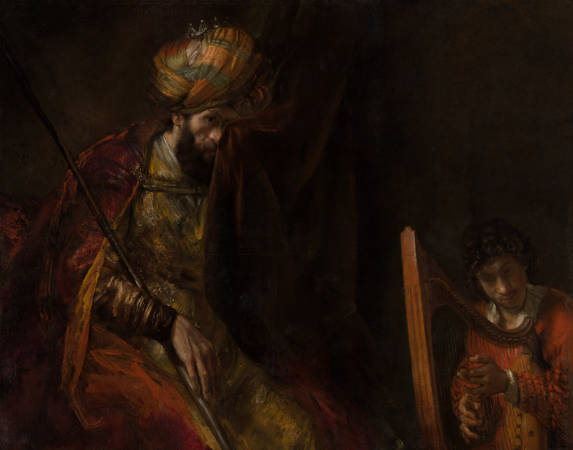
Saul en David
Rembrandt van Rijn
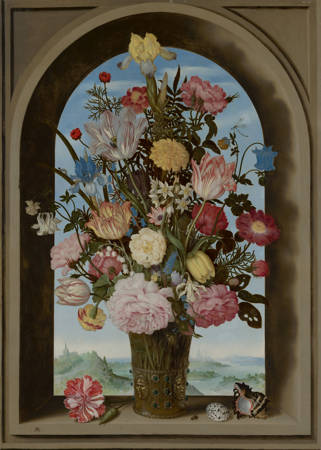
Vaas met bloemen in een venster
Ambrosius Bosschaert de Oude
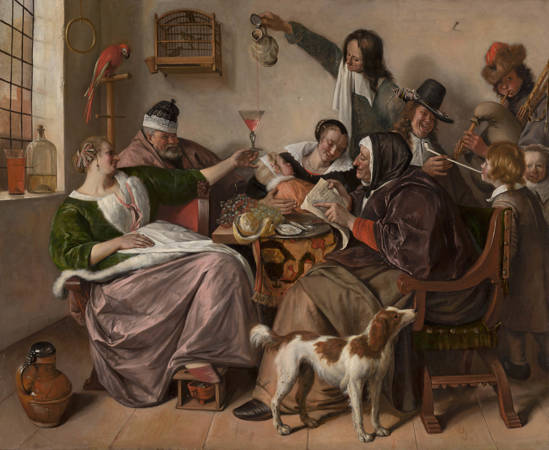
‘Soo voer gesongen, soo na gepepen’
Jan Steen
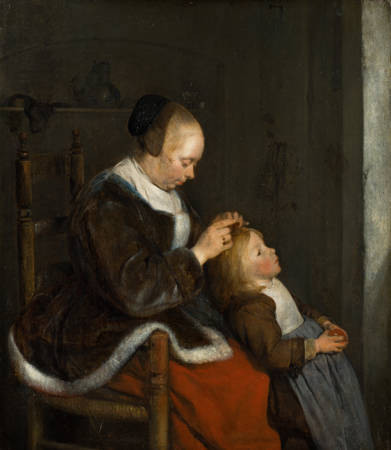
Een moeder die het haar van haar kind kamt, bekend als 'De luizenjacht'
Gerard ter Borch
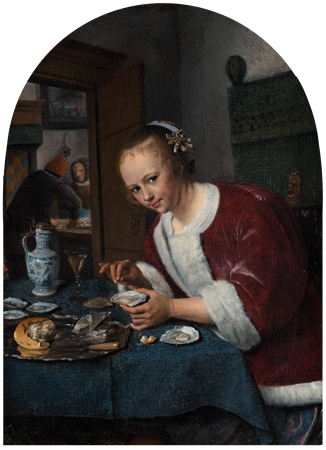
Het oestereetstertje
Jan Steen
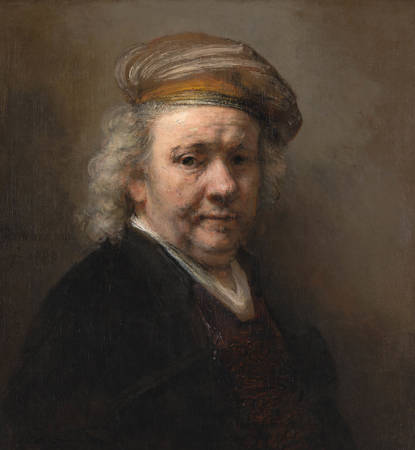
Zelfportret
Rembrandt van Rijn
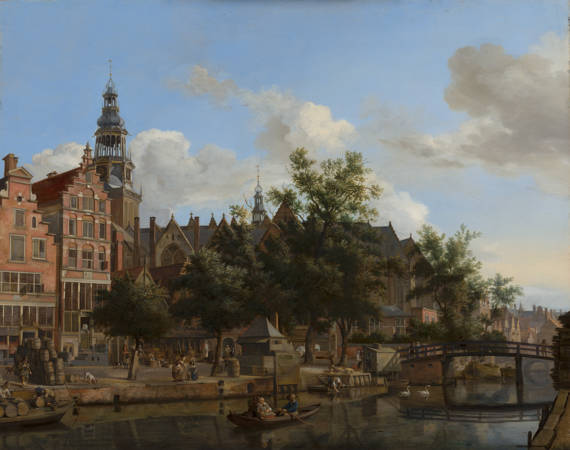
Gezicht op de Oudezijds Voorburgwal met de Oude Kerk in Amsterdam
Jan van der Heyden
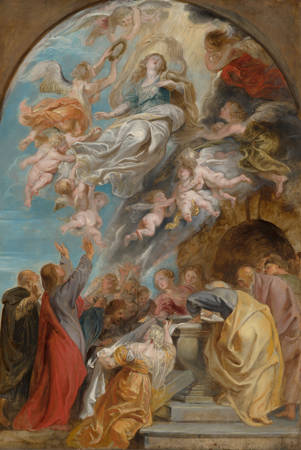
'Modello' voor de Hemelvaart van Maria
Peter Paul Rubens
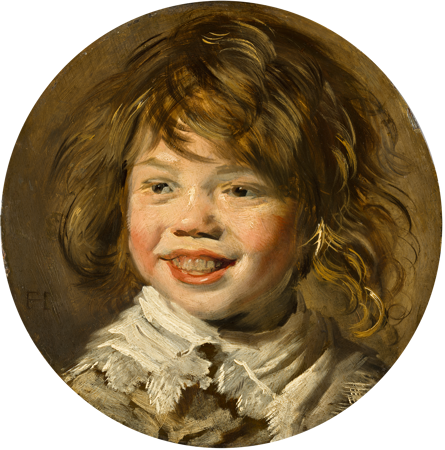
Lachende jongen
Frans Hals
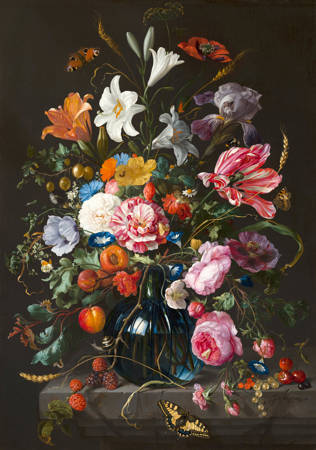
Vaas met bloemen
Jan Davidsz de Heem
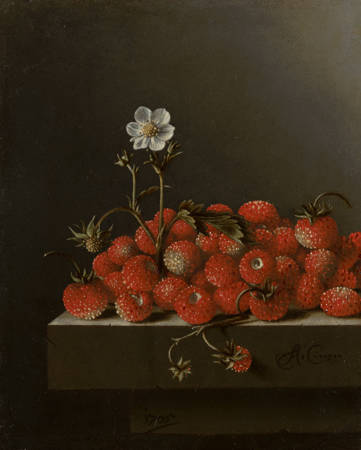
Stilleven met bosaardbeien
Adriaen Coorte
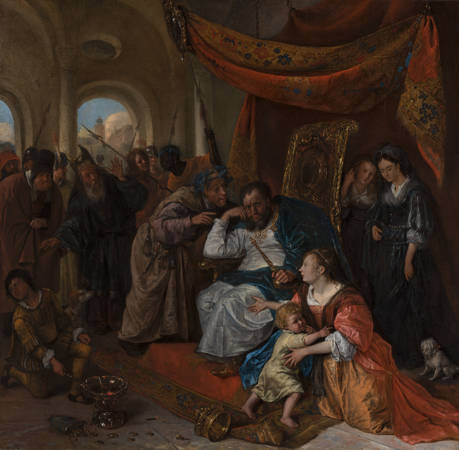
Mozes en de kroon van de farao
Jan Steen
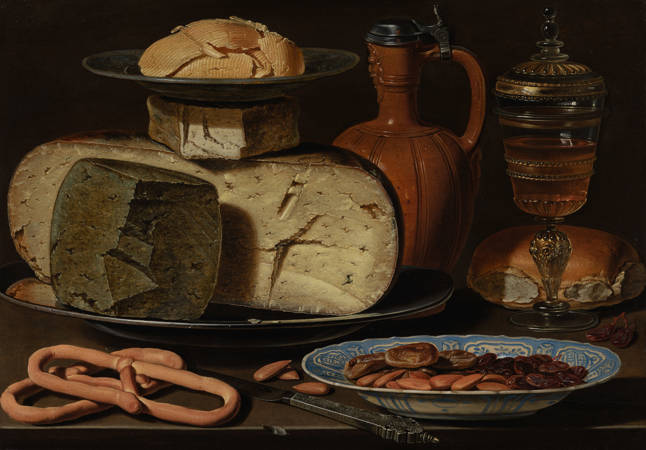
Stilleven met kazen, amandelen en krakelingen
Clara Peeters

Vaas met bloemen in een stenen nis
Roelant Savery
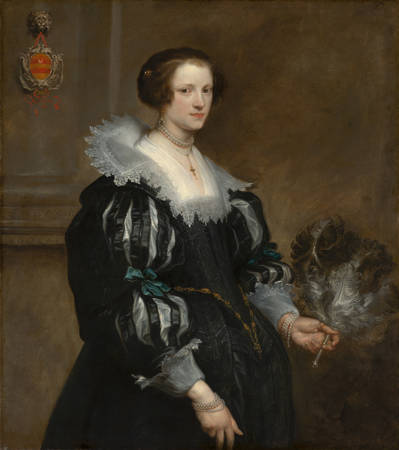
Portret van Anna Wake (1605-voor 1669)
Anthony van Dyck
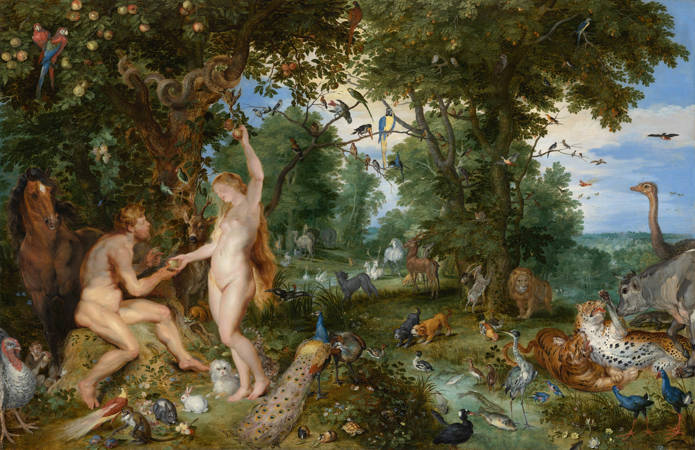
Het aardse paradijs met de zondeval van Adam en Eva
Jan Brueghel de Oude & Peter Paul Rubens
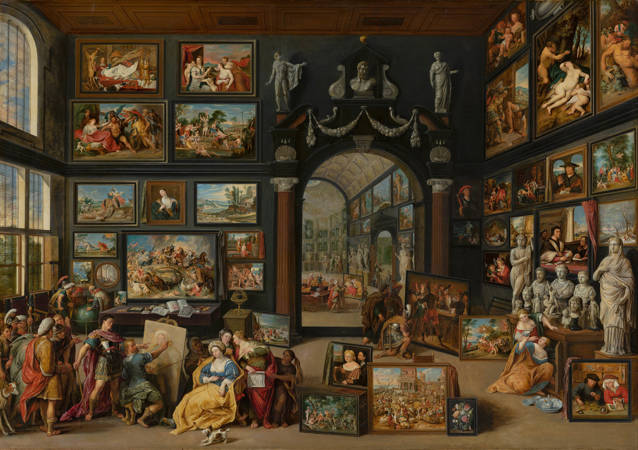
Apelles schildert Campaspe
Willem van Haecht

De stier
Paulus Potter
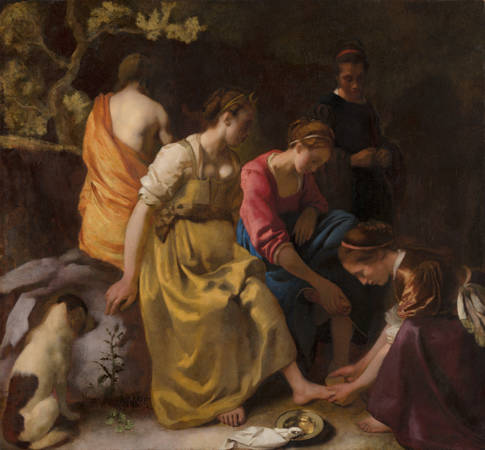
Diana en haar nimfen
Johannes Vermeer
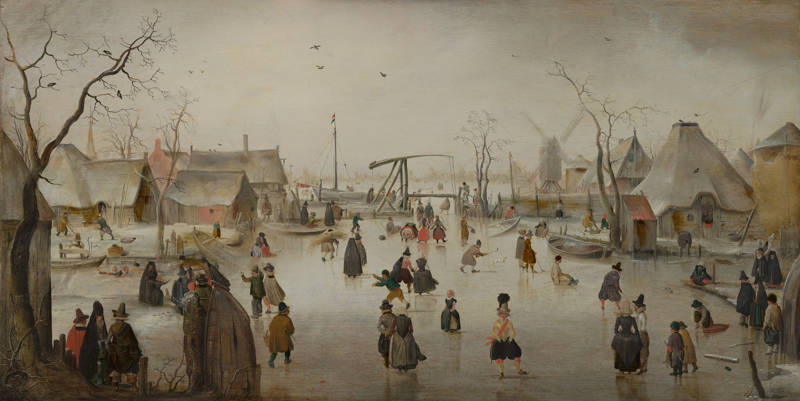
IJsvermaak
Hendrick Avercamp
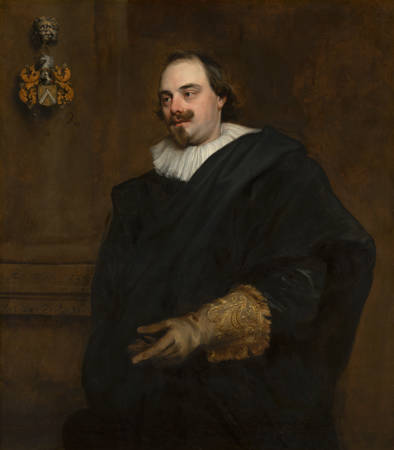
Portret van Peeter Stevens (c.1590-1668)
Anthony van Dyck
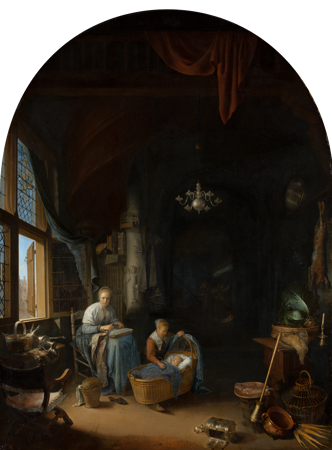
De jonge moeder
Gerrit Dou
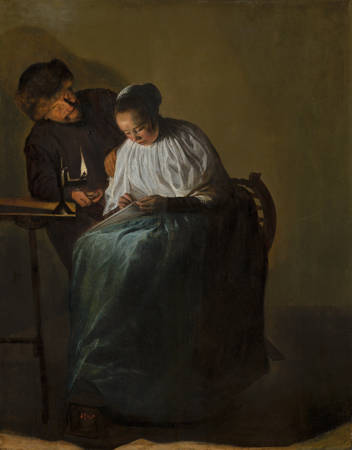
Jonge vrouw die door een man wordt belaagd
Judith Leyster
Filter
