All our images can be downloaded in high resolution from our website for non-commercial use (research/study, educational purposes, personal blogs and social media).
Would you like to use our images in a publication? Please mention our credit line: "Mauritshuis, The Hague."
Commercial use
Would you like to use our images for commercial purposes? We would be happy to discuss this with you. Please contact our marketing department at [email protected].
All our images can be downloaded in high resolution from our website for non-commercial use (research/study, educational purposes, personal blogs and social media).
Would you like to use our images in a publication? Please mention our credit line: "Mauritshuis, The Hague."
Commercial use
Would you like to use our images for commercial purposes? We would be happy to discuss this with you. Please contact our marketing department at [email protected].
All our images can be downloaded in high resolution from our website for non-commercial use (research/study, educational purposes, personal blogs and social media).
Would you like to use our images in a publication? Please mention our credit line: "Mauritshuis, The Hague."
Commercial use
Would you like to use our images for commercial purposes? We would be happy to discuss this with you. Please contact our marketing department at [email protected].
All our images can be downloaded in high resolution from our website for non-commercial use (research/study, educational purposes, personal blogs and social media).
Would you like to use our images in a publication? Please mention our credit line: "Mauritshuis, The Hague."
Commercial use
Would you like to use our images for commercial purposes? We would be happy to discuss this with you. Please contact our marketing department at [email protected].
All our images can be downloaded in high resolution from our website for non-commercial use (research/study, educational purposes, personal blogs and social media).
Would you like to use our images in a publication? Please mention our credit line: "Mauritshuis, The Hague."
Commercial use
Would you like to use our images for commercial purposes? We would be happy to discuss this with you. Please contact our marketing department at [email protected].
All our images can be downloaded in high resolution from our website for non-commercial use (research/study, educational purposes, personal blogs and social media).
Would you like to use our images in a publication? Please mention our credit line: "Mauritshuis, The Hague."
Commercial use
Would you like to use our images for commercial purposes? We would be happy to discuss this with you. Please contact our marketing department at [email protected].
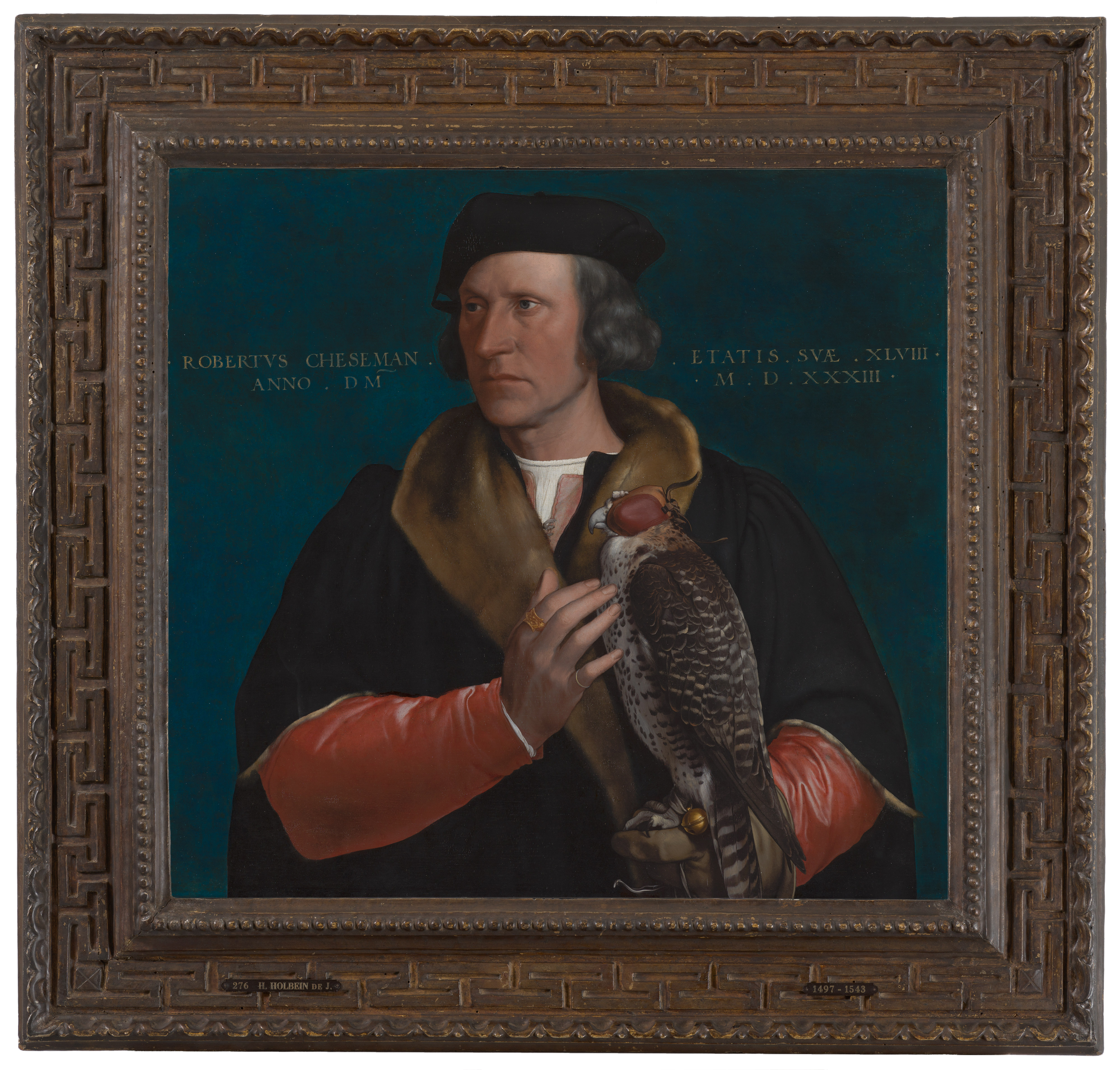
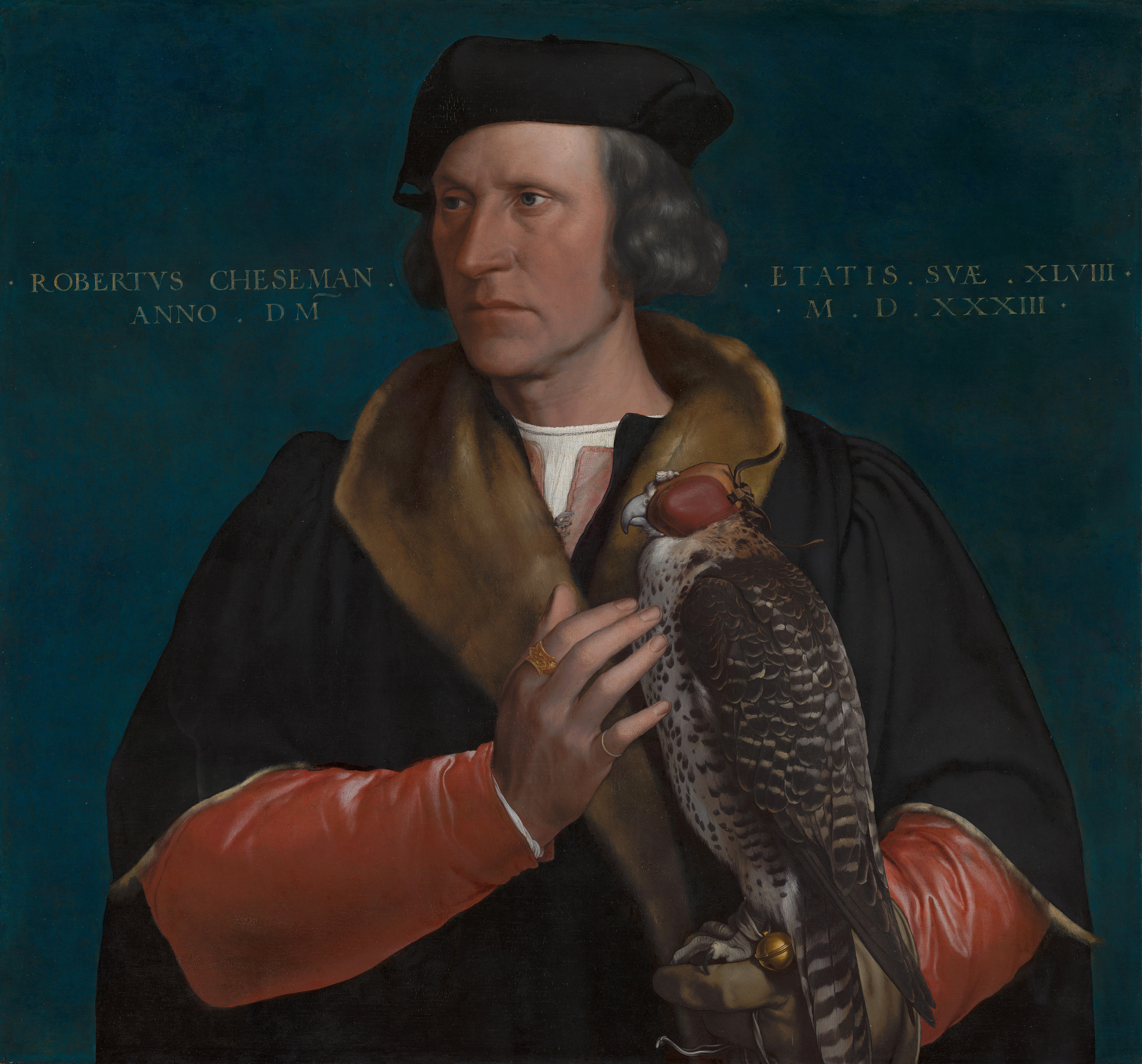
Hans Holbein the Younger Portrait of Robert Cheseman (1485-1547)
1533
On view in Exhibition
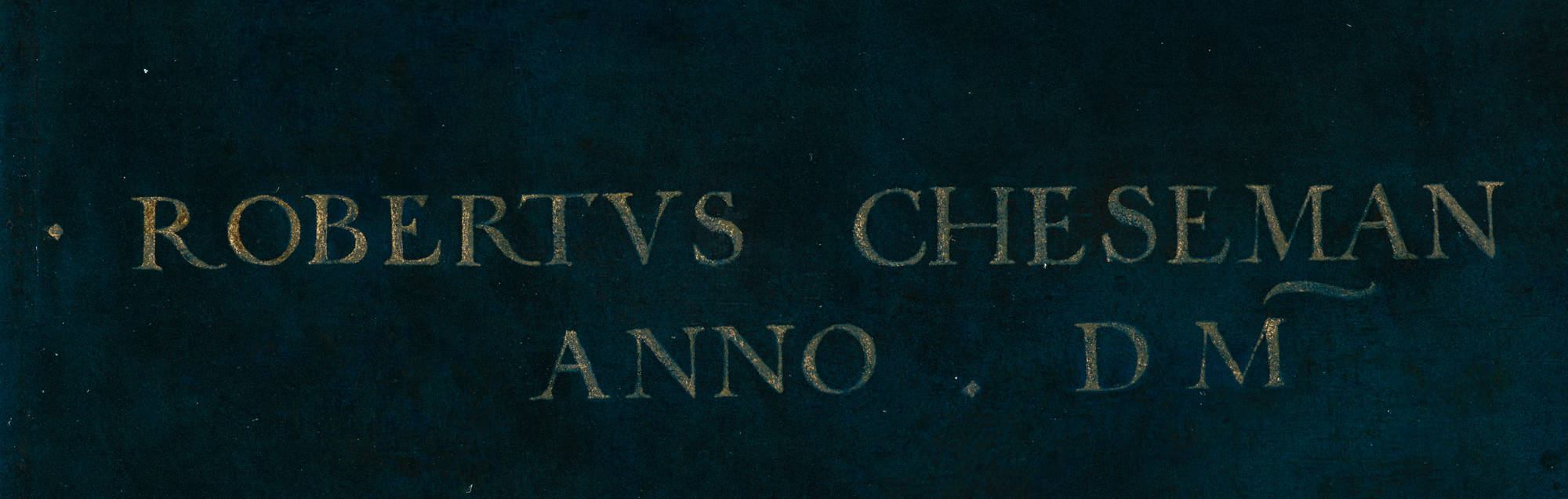
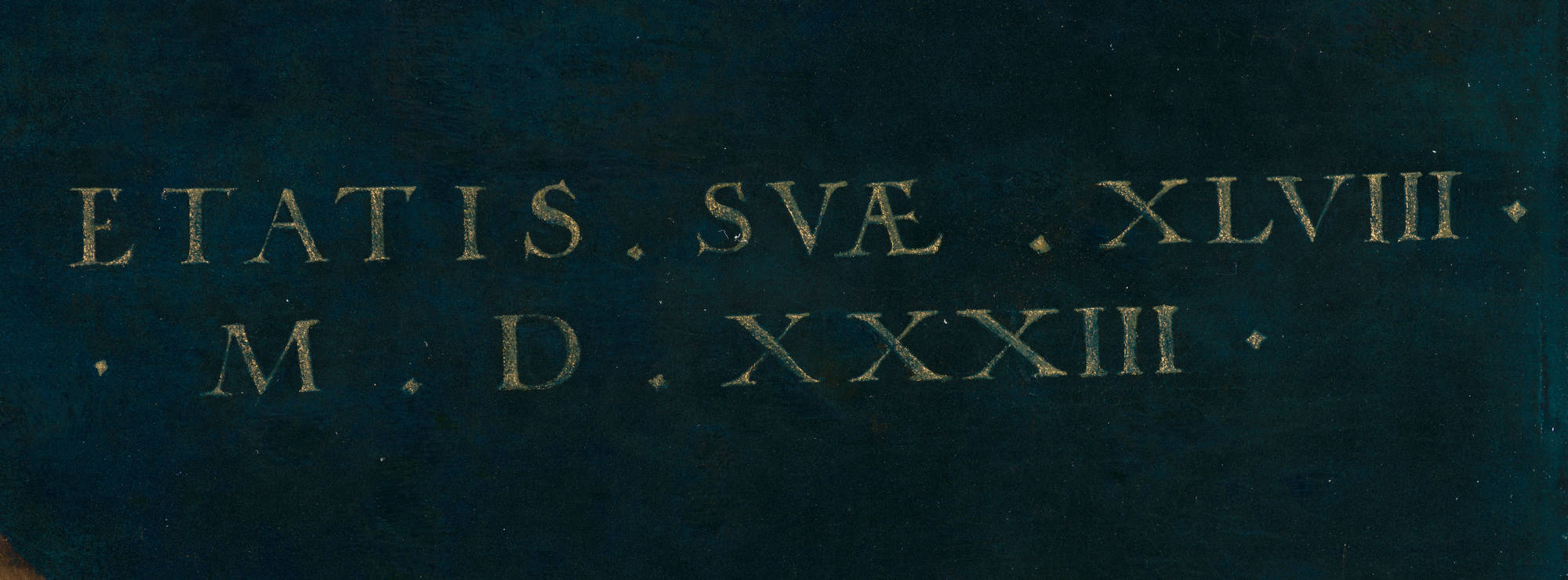
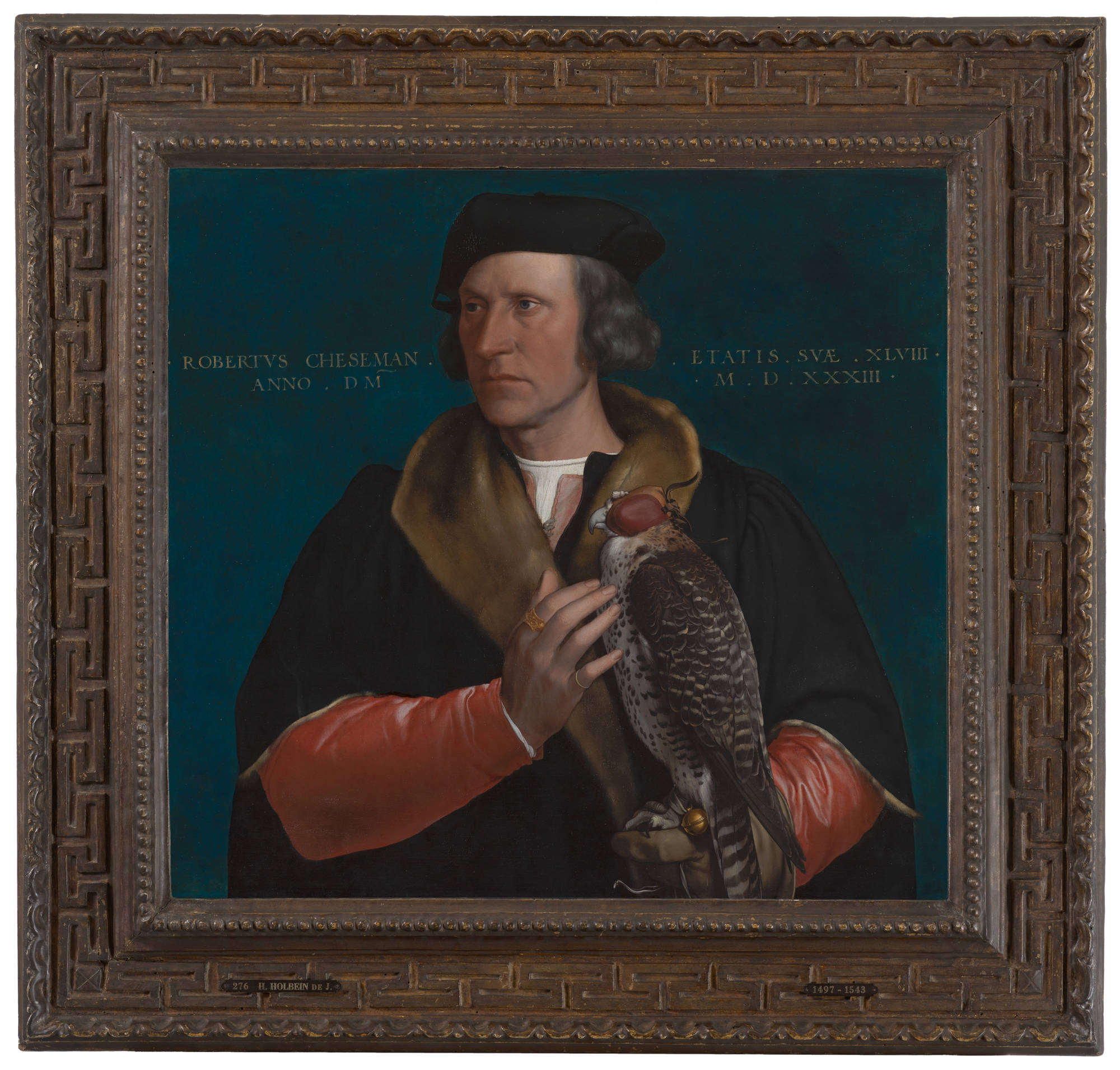
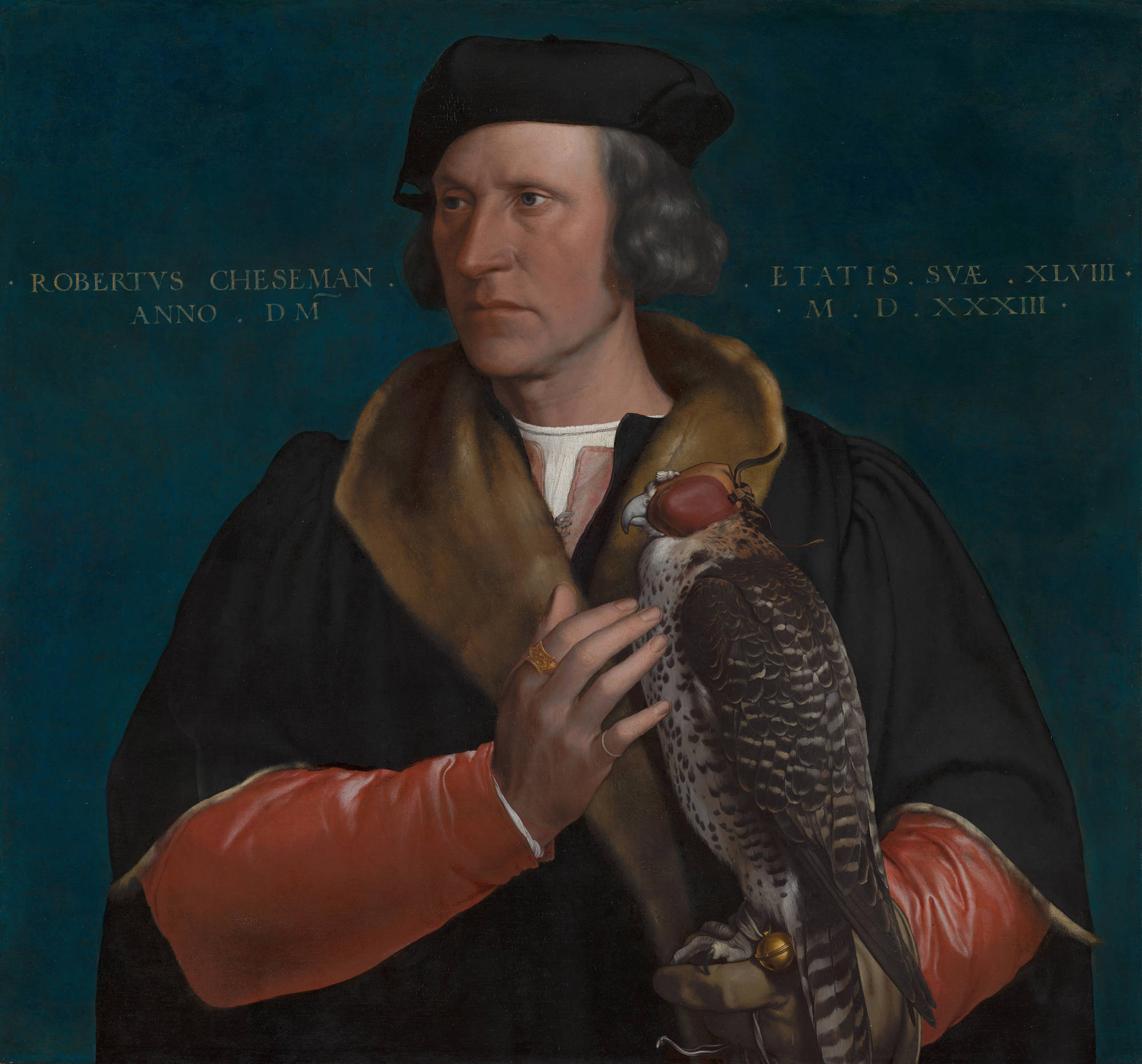
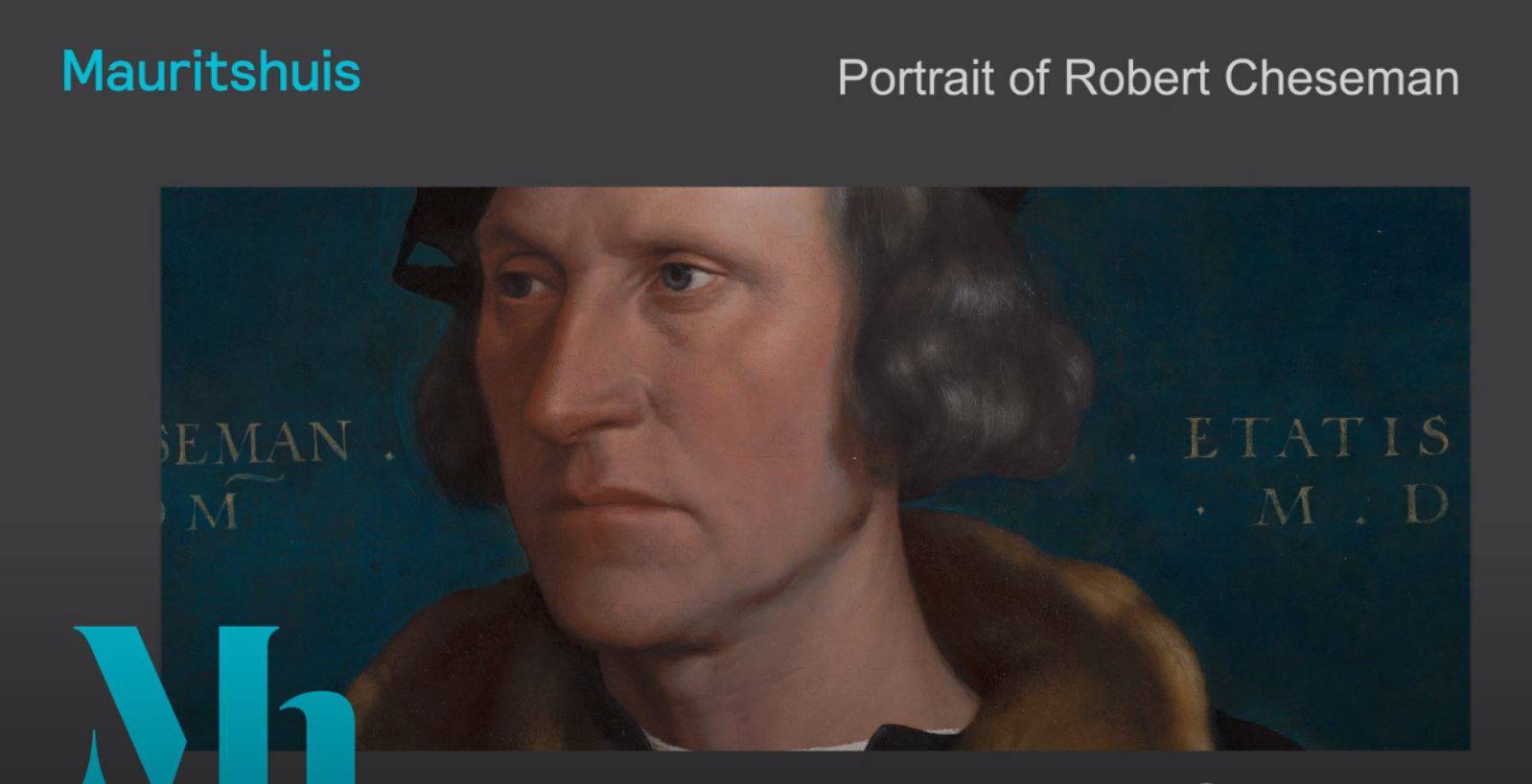
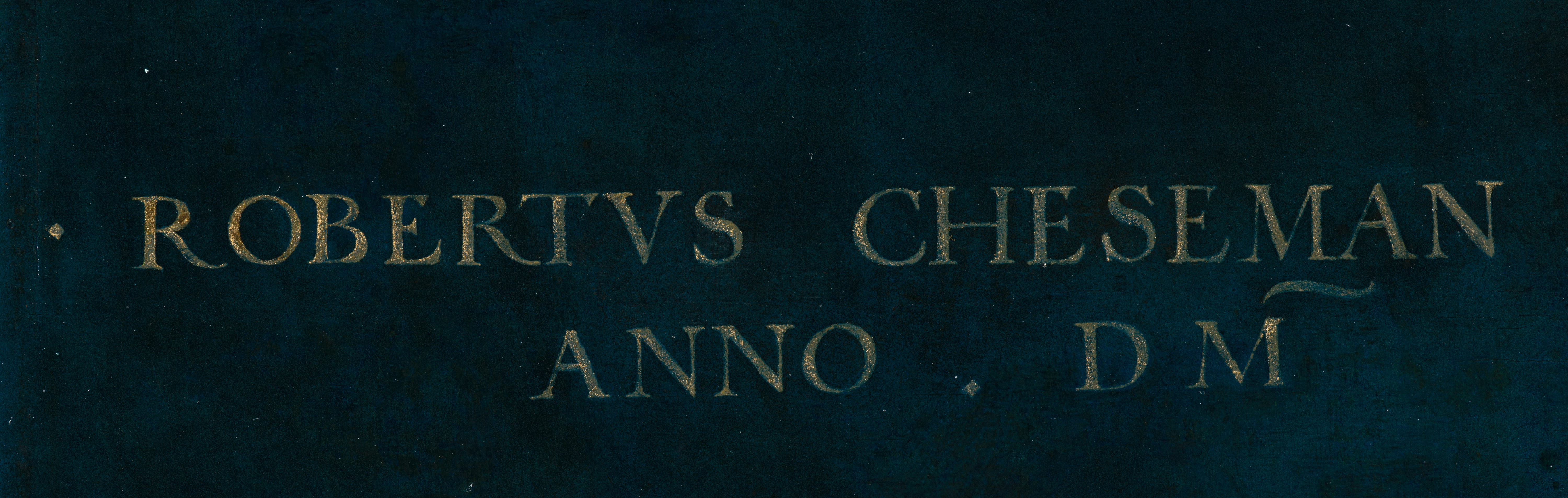
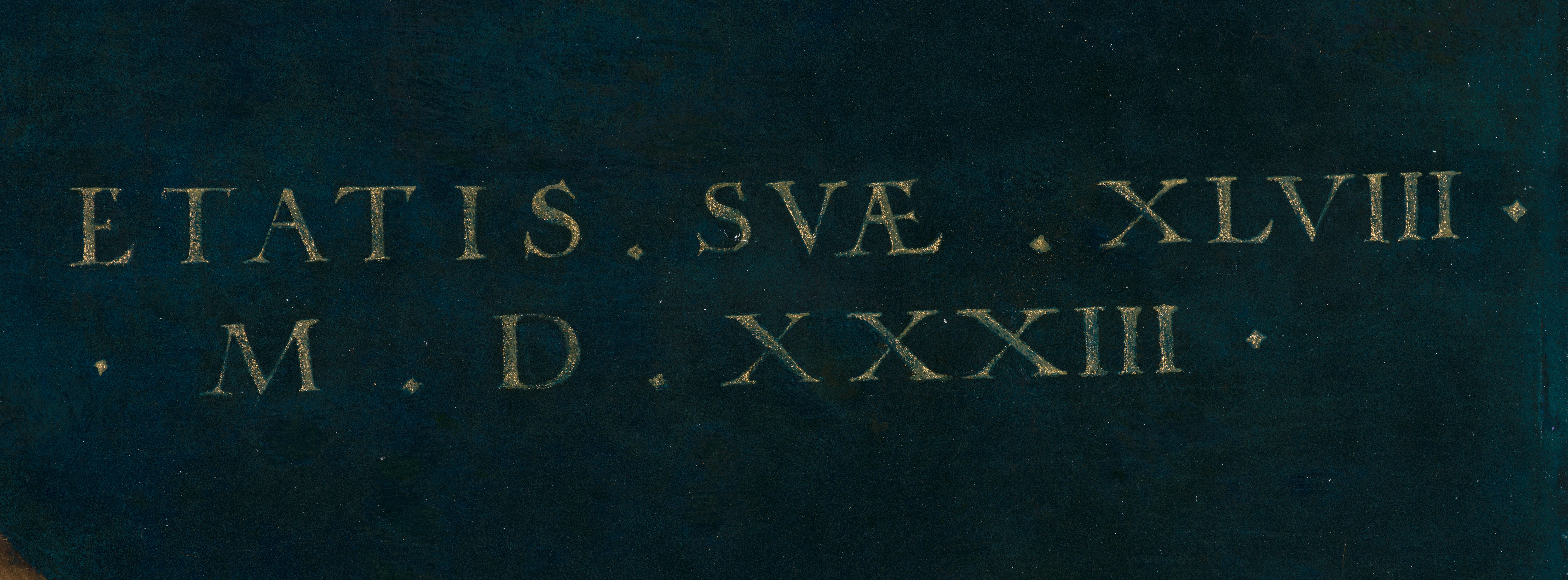
The Latin inscription clarifies the identity of this nobleman: Robert Cheseman, 48 years old in 1533. Cheseman was the chief falconer to the English king Henry VIII, an honourable position. He is stroking the bird on his hand with a tender gesture.
The German painter Hans Holbein painted this masterpiece shortly after he had settled for good in England. His amazing painting technique is shown to great advantage in the man’s intent gaze, in the shiny satin of his sleeves and in the little brass bell.
The bird has a small bell around his leg. This is so its keeper can easily find the bird once it has located its prey. The bell is so lifelike you can almost hear it ringing.
Hans Holbein the Younger Portrait of Robert Cheseman (1485-1547)
The Latin inscription informs us that this painting from 1533 is a portrait of Robert Cheseman (1485-1547) at the age of 48. Cheseman, a nobleman who was held in high regard at the court of Henry VIII (1491-1547), is dressed in a tabard. Under this he wears a red jerkin and a black garment glimpsed near the collar of the tabard. The different materials of Cheseman’s clothes are rendered very convincingly. Holbein has also devoted a great deal of attention to the play of light on the creased satin sleeves. The meticulous rendering of the white shirt’s smockwork trimming further exemplifies his sense of detail.
The most beautiful part of this picture is the gyrfalcon with its different-coloured feathers rendered down to the smallest detail. The gyrfalcon is not only the largest of the hunting falcons but also the best equipped for the task, with its powerful claws and rapid flight. Holbein has depicted the bird in profile, fitted with hunting gear. Its hood is attached with laces, and the jess with a bell on its left leg is an aid in retrieving the creature after it has killed its prey. The cord of the leash with which Cheseman secured the bird is wound around the middle and ring fingers of his left hand, which is protected by a chamois glove. On his other hand Cheseman wears two gold rings: a finely worked ring on his index finger, and a smaller one on his little finger.
Until 1792 falconry was the prerogative of the nobility in England. Cheseman is nonetheless depicted here with a rare and precious falcon, because he held the privileged position of king’s falconer. Cheseman must have accompanied Henry VIII regularly on his hunting trips. A scion of a prominent aristocratic family, he held several offices in the king’s service. In 1531 he was made ‘a Justice of the Peace’ in Middlesex, his home county, and he sat on several councils appointed by the king.
The most recent restoration has transformed this portrait of Cheseman. The image was once obscured, especially in the background and the inscription, by a yellowed layer of varnish and overpainting. In its new state the nuances of colour and the modelling of Cheseman’s face have become clearly visible again, and the figure with its dark cloak and cap stands out more sharply against the now lighter background. The original uniformly blue background, the azurite pigment of which had acquired a greenish quality over the years with the ageing of the medium and the remains of varnish, wholly accorded with other paintings by Holbein. In addition, the rendering of the folds of the orange-red sleeves is very similar to that in other portraits by Holbein from the early 1530s, such as ‘The ambassadors’ (London, The National Gallery). The near-square format of the painting discussed here, on the other hand, is exceptional. Perhaps Holbein chose this shape here to create more space for the figure in the pictorial field. The intense concentration with which Holbein has his sitter in this painting peer beyond the representation – maybe Cheseman was looking for suitable prey – gives the portrait a particularly expressive quality. The man’s head is turned to the left, which is counterbalanced by the slightly raised right arm and the almost tender gesture of the right hand, with which Cheseman appears to be stroking the falcon.
Holbein modified parts of the composition during the painting process, as we can see chiefly along the outlines. Since the paint layers have become more transparent in the course of time, it is now possible to see with the naked eye that the thumb was reduced in size. For the rest, research has shown that the black cap was also made smaller to the left, where it overlaps the background for half a centimeter. The contours of the satin sleeves were also retouched along the lower side.
(this is a reworked version of a text published in: A. van Suchtelen, Q. Buvelot, P. van der Ploeg et al., Hans Holbein The Younger 1497/98-1543: Portraitist of the Renaissance, The Hague (Mauritshuis) 2003, pp. 100-101)
Details
General information
Artist
Hans Holbein the Younger (Augsburg 1497/1498 - 1543 London)
Title
Portrait of Robert Cheseman (1485-1547)
Dated
1533
Object name
painting
Inventory number
276
On view in
Exhibition
Material and technical details
Technique
oil
Material
panel
Dimensions
58.8 x 62.8 cm
Inscriptions
Inscription and dated
upper left and right: ROBERTVS CHESEMAN . ÆTATIS . SVUÆ . XLVIII . / ANNO . DM . M . D . XXXIII .
Provenance
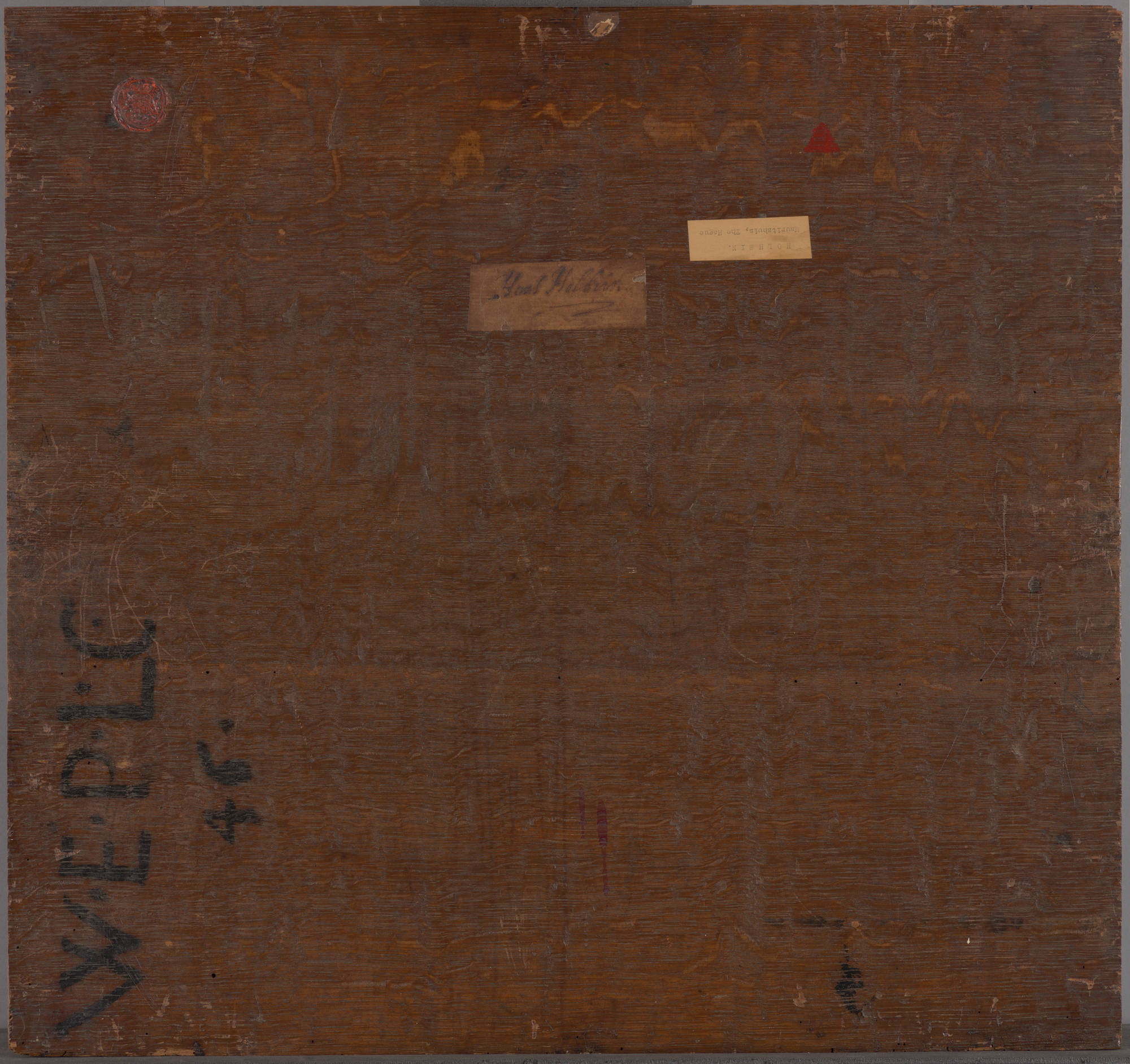
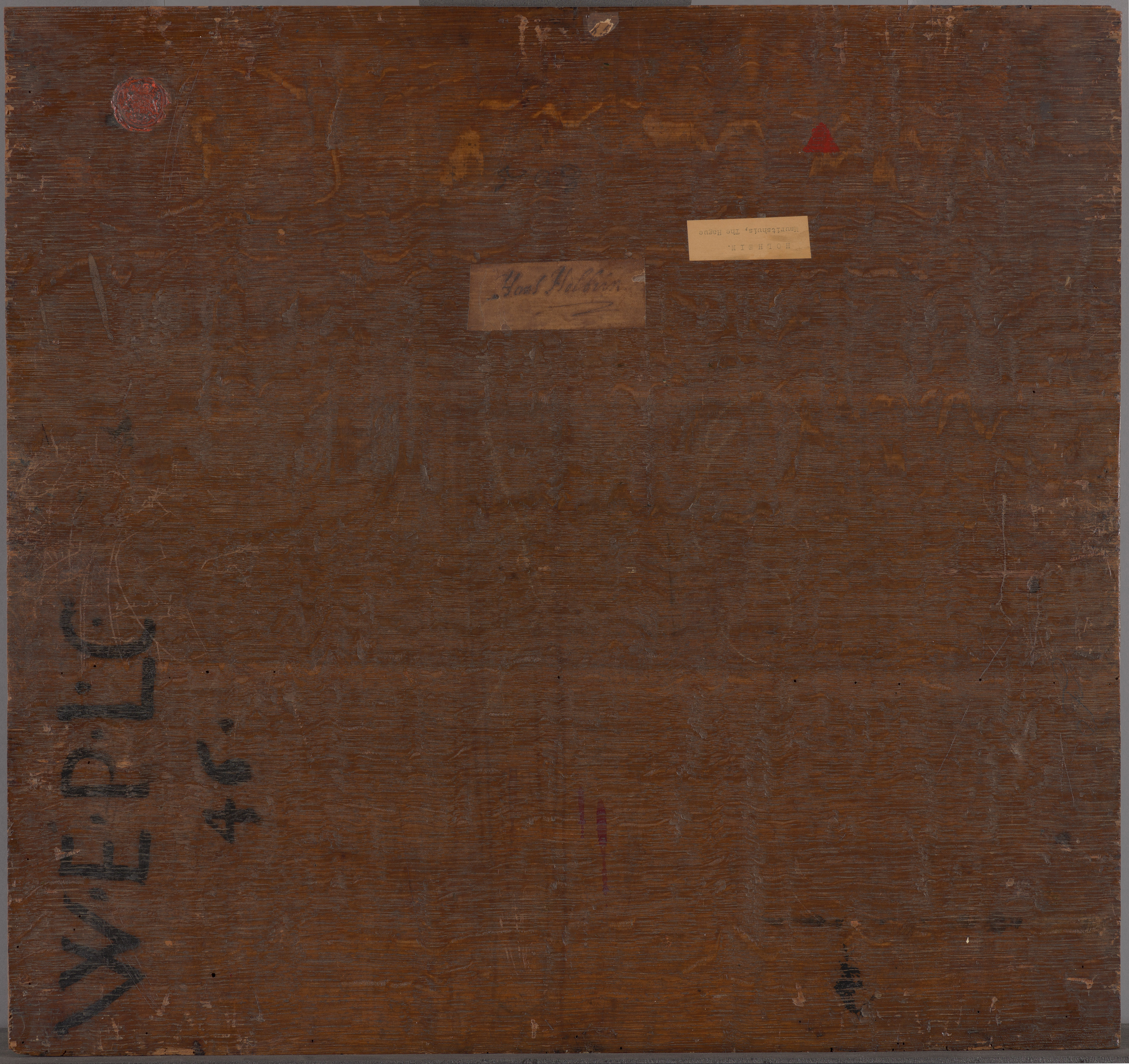
Unknown private collection, England, sixteenth century (marked by the inscription ‘W. E. P. L. C. / 46.’ on the back of the painting); King Charles I, London, before 1649; King Charles II, London, Whitehall, 1666/1667; King James II, London, Whitehall, 1685-1688; Kensington House, London, 1697, 1700; transferred by stadholder-King William III to Het Loo Palace, Apeldoorn, after 1700-1702; Prince Johan Willem Friso, Het Loo Palace, Apeldoorn, 1702-1711 (wax stamp with his coat of arms on the back of the painting but claimed by the English Crown); sale Het Loo, Amsterdam, 26 July 1713 (Lugt 242), no. 31 (withdrawn and sent to Friesland); palace in Leeuwarden, 1731; Het Loo Palace, Apeldoorn, 1757; Prince William V, The Hague, after 1770-1795; confiscated by the French, transferred to the Muséum Central des Arts/Musée Napoléon (Musée du Louvre), Paris, 1795-1815; Royal Picture Gallery, housed in the Prince William V Gallery, The Hague, 1816; transferred to the Mauritshuis, 1822