Загрузить изображение
The entire collection of the Mauritshuis is available to download in high resolution.
For publications, please use a creditline, including 'Mauritshuis, The Hague'. More information.
Загрузить изображение
The entire collection of the Mauritshuis is available to download in high resolution.
For publications, please use a creditline, including 'Mauritshuis, The Hague'. More information.
Загрузить изображение
The entire collection of the Mauritshuis is available to download in high resolution.
For publications, please use a creditline, including 'Mauritshuis, The Hague'. More information.
Загрузить изображение
The entire collection of the Mauritshuis is available to download in high resolution.
For publications, please use a creditline, including 'Mauritshuis, The Hague'. More information.
Frans Hals
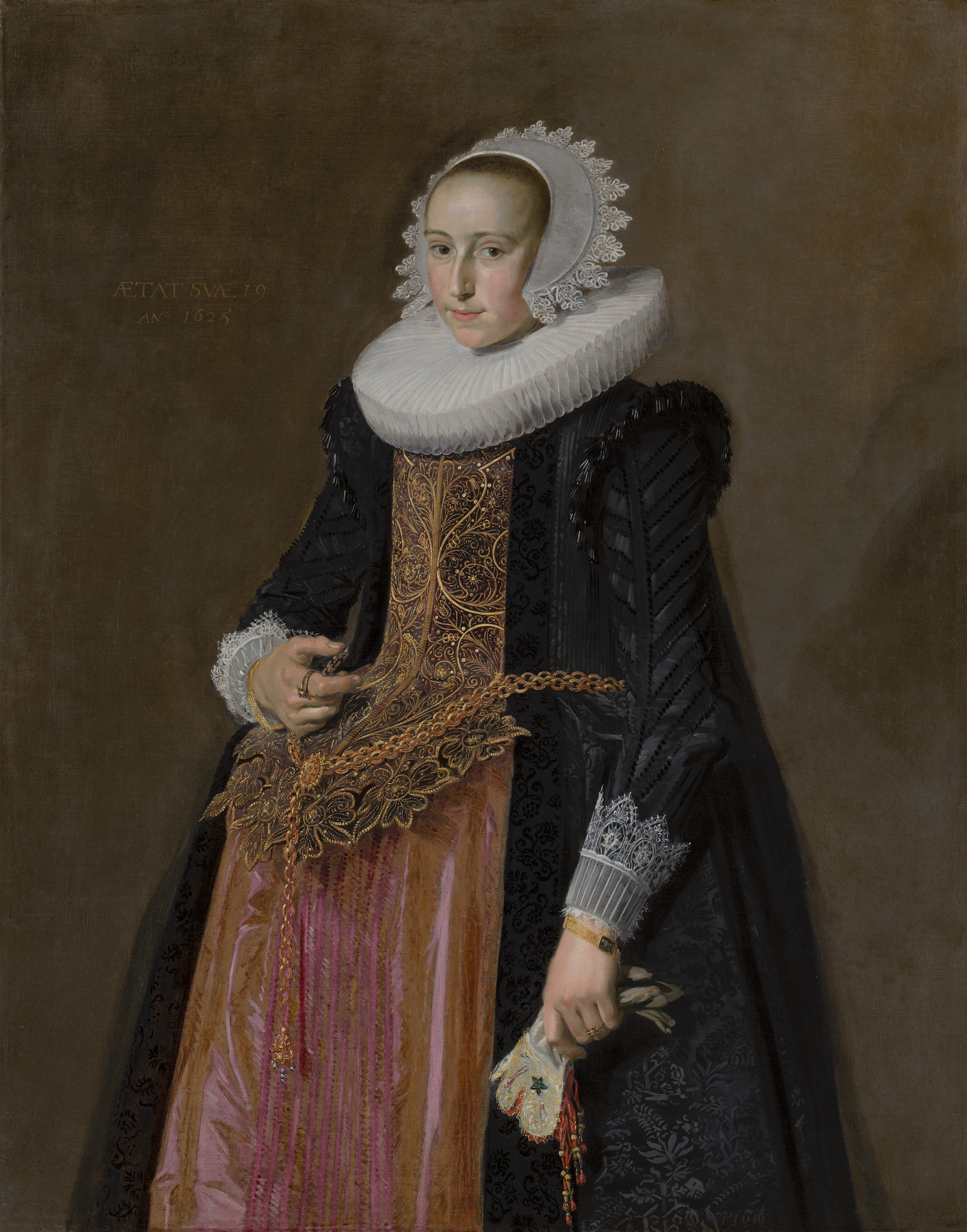
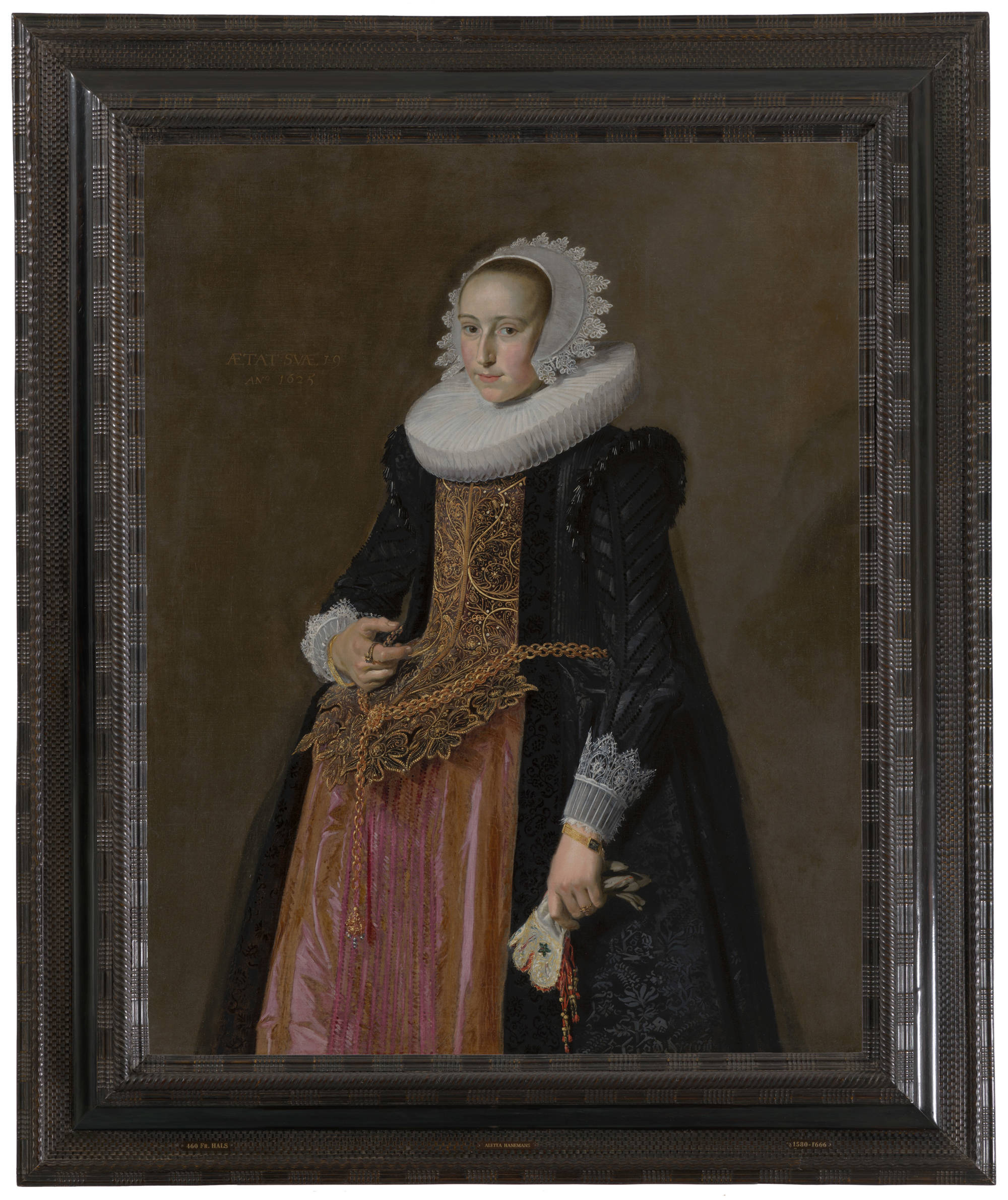
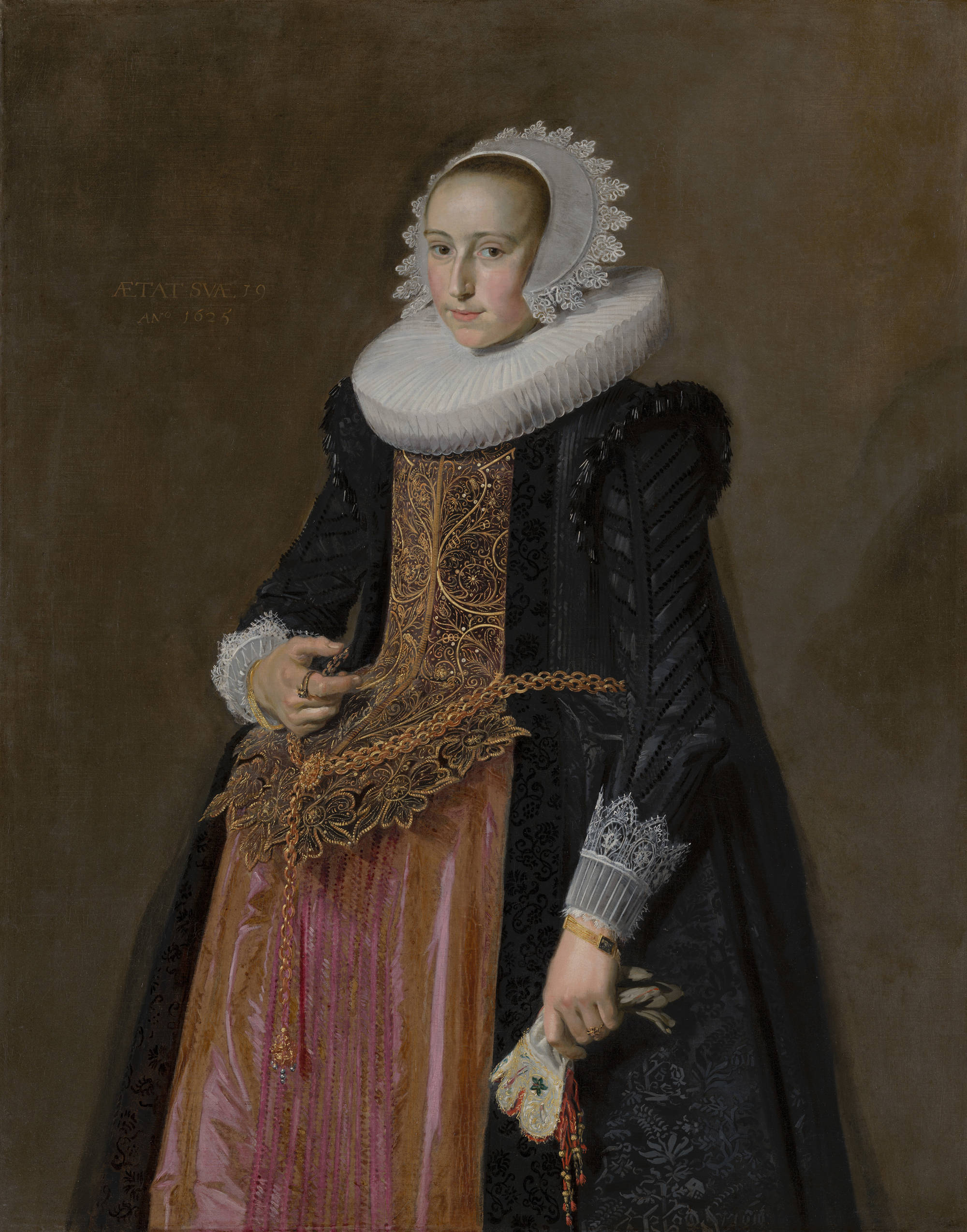
Portrait of Aletta Hanemans (1606-1653)
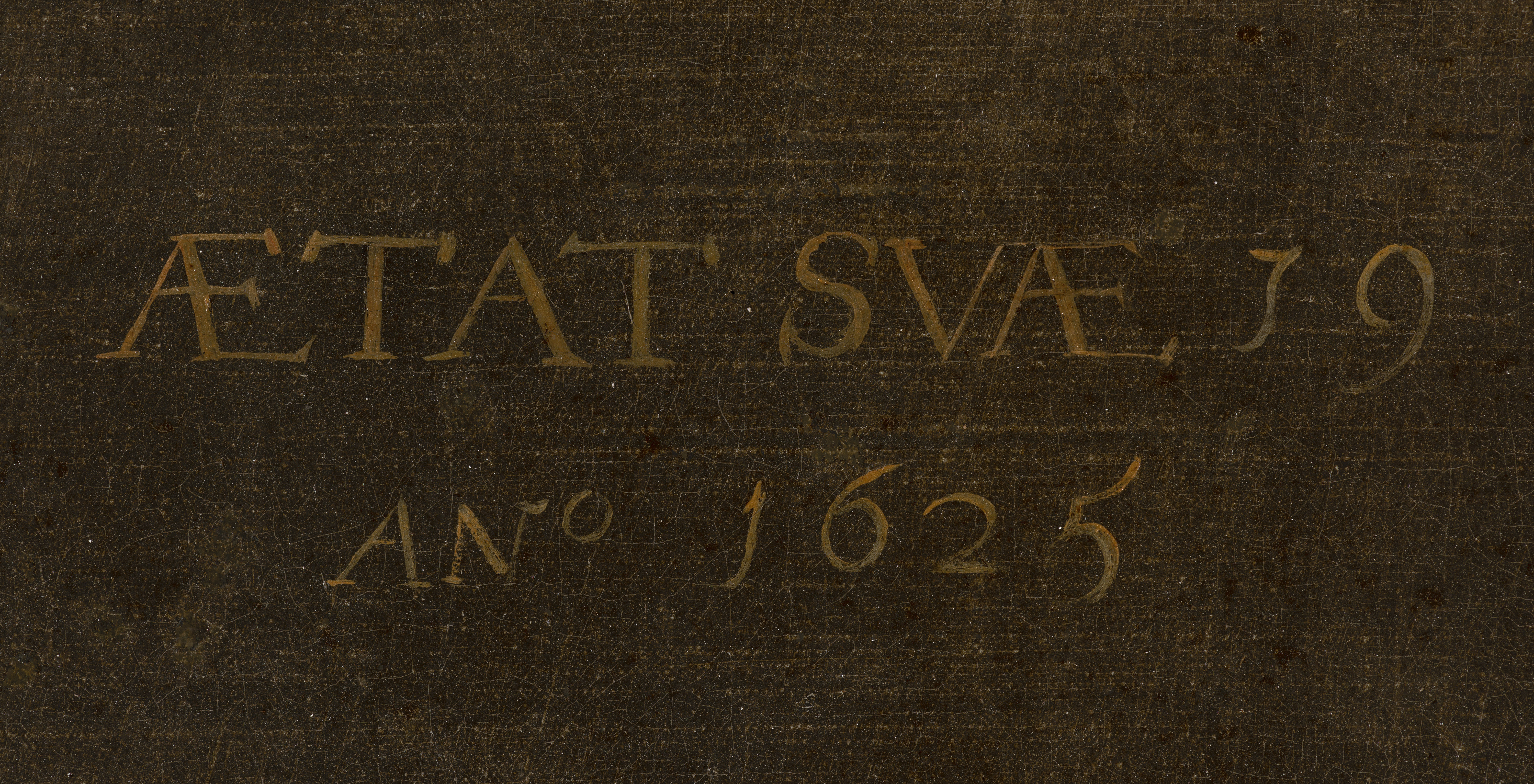
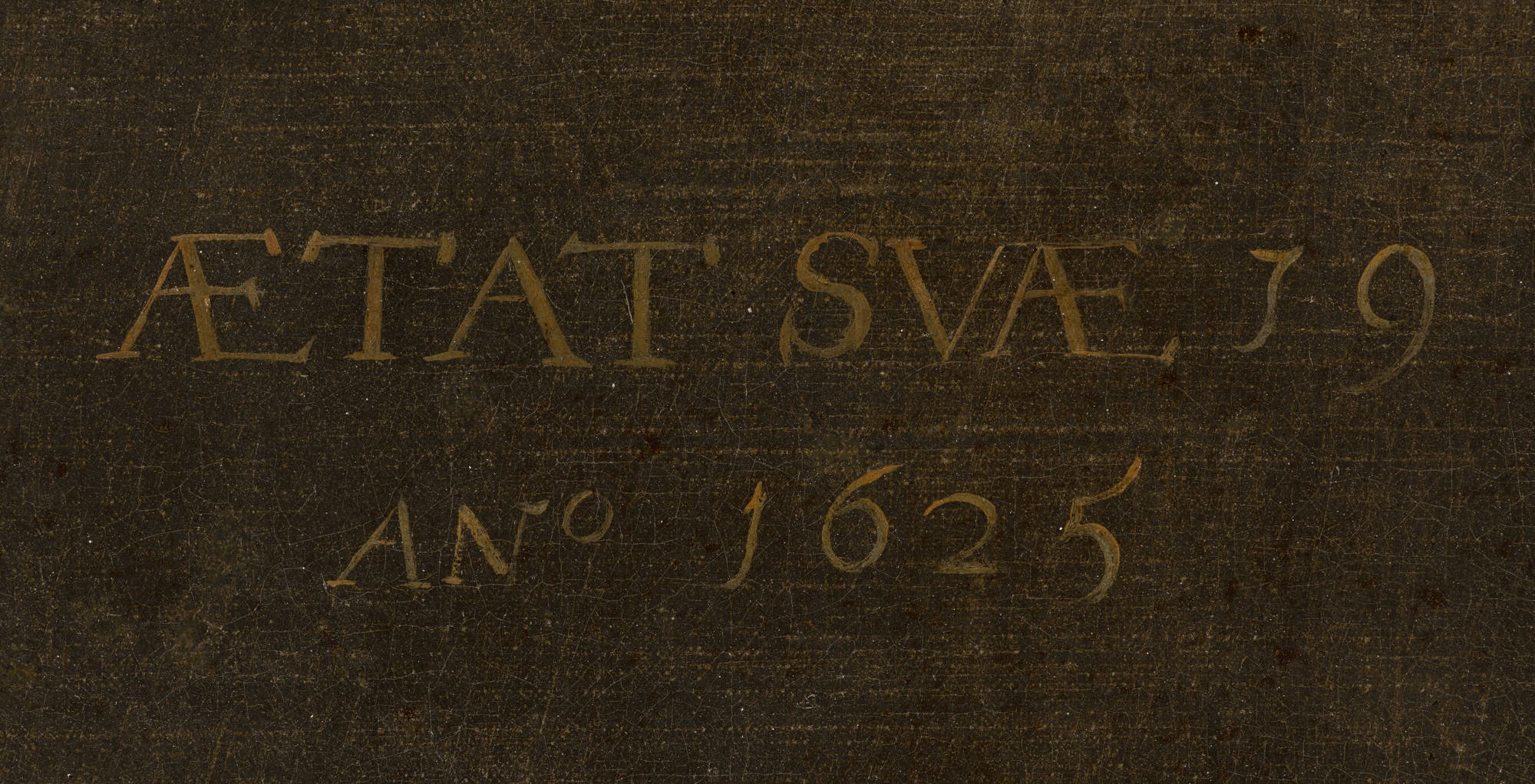
Aletta Hanemans was 19 when she got married and had this portrait painted by Frans Hals. The portrait of the bridegroom – Jacob Olycan – is hanging on the left. Hals was an expert in the art of characterisation, and was regarded as the best portraitist in Haarlem.
Hals is famous for his free, broad brushstrokes. But here his painting is finer, for example in the ‘bridal stomacher’ embroidered in gold. For this portrait commission, Hals may have had less freedom, having to focus more on achieving a good likeness.